
Driving more than 500 kilometers on the highway with a complaining rear passenger about the seat, or enduring repeated tolls with excessive fuel consumption: these are the kinds of situations that reveal whether a sedan lives up to its promises. In 2020, the sedan segment offered a wide choice, ranging from traditional thermal engines to hybrids and early electric models. The challenge remained the same: finding the right balance between performance, seating comfort, and daily running costs.
Real comfort on long journeys: what makes the difference between two sedans
We often talk about comfort without specifying what we measure. On a multi-hour highway journey, three elements separate a pleasant sedan from a tiring one: the quality of the suspension, the soundproofing of the cabin, and the support of the seats.
The BMW 3 Series 320d, for example, benefited in 2020 from forgiving suspensions and standard 16-inch tires, a technical choice that absorbed asphalt joints better than wider tires. It offered a driving comfort superior to what its sporty image suggested. The Audi A4 2.0 TDI, positioned in the same segment, focused more on soundproofing and body rigidity to filter vibrations.
What also changed the game in 2020 was the upgrade in onboard comfort equipment. The Hyundai Sonata illustrated this trend well with its heated and ventilated seats, dual-zone climate control, panoramic sunroof, and Apple CarPlay/Android Auto compatibility. Features that were previously reserved for the premium segment.
To go further, one can consult a comparison of the best sedans of 2020 that details these differences model by model.

Hybrid or thermal sedan in 2020: the real calculation to make
In 2020, the choice between a hybrid engine and a traditional thermal block was not just an ecological question. It was primarily a financial decision related to the type of journeys made.
A plug-in hybrid sedan, like some Peugeot 508 or Skoda Superb PHEV, offered limited but sufficient electric range for daily commutes. Beyond this range, the thermal engine took over, and actual consumption deviated significantly from the advertised figures, especially on the highway.
Conversely, a well-calibrated diesel (like the Audi A4 2.0 TDI or BMW 320d) remained more predictable in terms of consumption for high-mileage drivers. The hybrid choice only made sense below a certain annual mileage, beyond which the extra cost at purchase was no longer justified.
- Short daily commute (less than 40 km round trip): the plug-in hybrid allows for almost exclusively electric driving and reduces fuel costs.
- Mixed usage with regular long trips: a modern diesel offers stable consumption and pleasant torque on the highway.
- Tight acquisition budget: used thermal sedans from 2020 showed more favorable depreciation than hybrids, which were often overpriced.
Mercedes, Audi, Peugeot: three sedan philosophies for three uses
Rather than listing ten models, let’s focus on three distinct approaches that summarize the 2020 offering well.
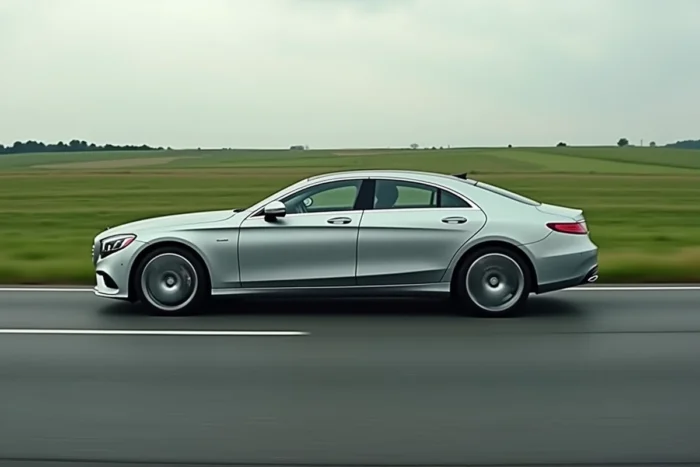
Mercedes S-Class: comfort as the top priority
The S-Class remained the benchmark in the luxury segment. Air suspension, massaging seats, double glazing on certain trims: everything converged towards an almost total isolation from the outside world. Feedback from Moniteur Automobile placed it among the best-rated sedans by their owners for comfort, alongside older models like the Citroën C6 or Renault Vel Satis.
However, the high entry price and maintenance costs reserved this choice for a specific profile. In the 2020 used market, previous generation S-Classes became more accessible, but maintenance costs remained significant.
Audi A4: the balance between dynamism and onboard life
The A4 did not seek to impress but to perform well on all fronts. Its cabin was among the best assembled in the segment, with flattering materials and intuitive controls. In the 2.0 TDI version, it was economical on the highway and lively enough not to be boring on country roads.
Peugeot 508: the French sedan that changes the perception of the segment
The 508 surprised in 2020 with its design and the quality of its i-Cockpit. Less spacious in the rear seats than an A4 or a C-Class, it compensated with a generous trunk and a driving pleasure that exceeded expectations for a French sedan. In plug-in hybrid version, it offered a convincing combined power for suburban trips.
Buying a 2020 sedan used: the traps to check
Today, these models are available on the used market with varying mileages. A few points deserve special attention before signing.
- For plug-in hybrids, the remaining capacity of the traction battery determines the actual electric range. A test in 100% electric mode allows for a quick check of whether the battery has aged.
- Premium sedans (Mercedes, Audi, BMW) often accumulate complex electronic options. A complete electronic diagnostic before purchase avoids unpleasant surprises regarding sensors, adaptive suspension, or multimedia screens.
- The maintenance log remains the best indicator of reliability. A well-maintained sedan with high mileage is often worth more than a low-mileage model that has been poorly maintained.
Feedback varies on this point, but several owners of used S-Class or 3 Series report that spare parts costs increase significantly after the fifth year. Planning a realistic annual maintenance budget is part of the overall calculation.
The 2020 sedan segment remains a safe bet for those looking for a compromise between road comfort, performance, and controlled running costs. The right choice primarily depends on the expected mileage and the budget allocated for maintenance, two parameters more decisive than the technical specifications alone.