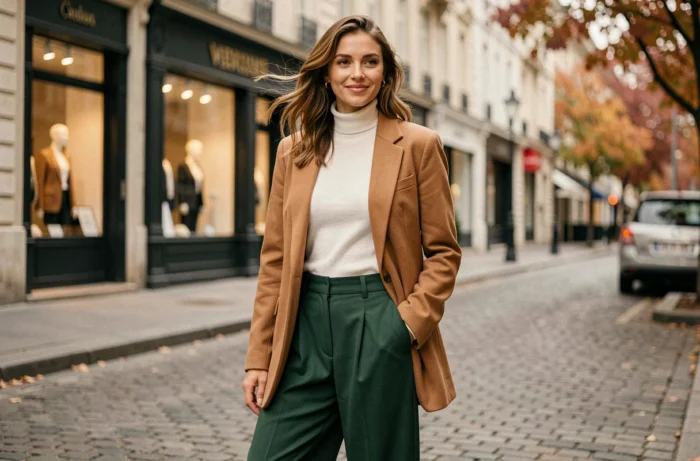
Fashion trends refer to the stylistic directions adopted by designers and relayed through fashion shows, then translated into wearable pieces in mainstream collections. Each season redefines proportions, materials, and palettes, but the underlying trend for several seasons has favored softer silhouettes and wardrobes designed to last.
Sustainable materials and textile regulations in Europe
Before discussing cuts or colors, a structural change deserves attention. The European Union has implemented a ban on the destruction of unsold textiles for large companies, with an extension to medium-sized enterprises planned for 2030. Small and microenterprises remain exempt, but the message is clear: fast fashion is now costly for brands.
The European regulation ESPR (Ecodesign for Sustainable Products Regulation) sets specific requirements for textiles and clothing in its 2025-2030 timeline. The targeted categories are expected to face sustainability and product information criteria starting in 2027. In practice, this means that the materials and construction of garments will take precedence over the rapid turnover of collections.
This regulatory context is also changing consumption habits. Rather than buying five pieces per season, investing in durable fabrics (thick linen, raw denim, merino wool) allows for several autumn-winter seasons without the garment losing its shape. The re-circulation of unsold items is indeed favored by the European framework, as recycling itself is considered a form of destruction under the regulation.
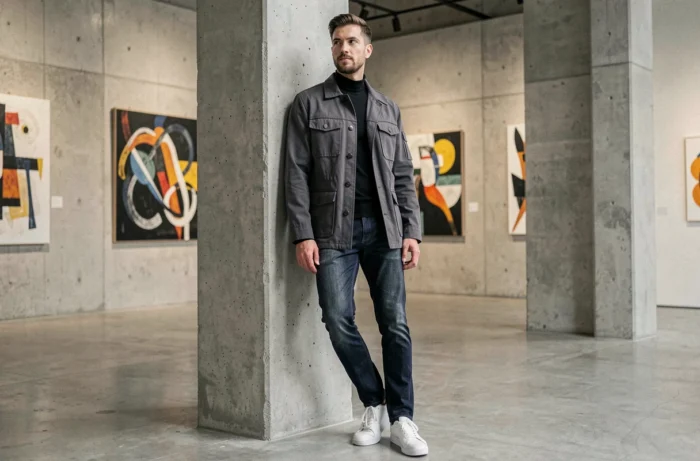
Color and volume trends for a bold autumn-winter look
The palettes for the autumn-winter season are organized around two poles. On one side, muted shades (deep burgundy, fir green, chocolate brown) that anchor a silhouette in the season. On the other, bolder colors worn in blocks on a single piece, like a coat or a dress, to create a focal point without overwhelming the whole.
Following fashion on Mister Tendance allows you to spot these palette evolutions over the weeks and identify combinations that work in real-life situations, outside the runway.
Loose volumes and structured cuts
Silhouettes play on a simple contrast: a loose top paired with a fitted bottom, or vice versa. Wide trousers are making a comeback in various forms (flared straight leg, barrel cut), while short, fitted jackets balance the upper body’s proportions.
- The barrel jean (rounded cut at the thighs, tapered at the ankle) is gradually replacing the slim fit in autumn-winter wardrobes, with a more sculptural fall.
- Long coats that extend beyond the knee, worn open, elongate the silhouette without stiffening it.
- Oversized sweaters remain present but gain structure: defined shoulders, denser knits, high collars that hold their shape.
The goal is not to accumulate volume everywhere, but to choose a single area of fullness per outfit to maintain clarity.
Textile repair bonus: renewing your style without buying everything new
A concrete and still underutilized lever for updating your wardrobe: repair. In France, the Textile Repair Bonus, managed by the eco-organization Refashion, is deducted directly from the bill at a certified repair shop. No post-reimbursement process is required.
The most common interventions concern shoes (resoling, heel replacement), but the scheme also covers textile alterations: zipper replacements, seam repairs, size adjustments. Alterations on garments represent a minority share of supported repairs, indicating that the scheme remains underused for textiles per se.
Adapting an existing piece to current trends
Shortening an overly long coat, transforming straight-leg trousers into a slightly flared cut, replacing buttons on a blazer to modernize its look: these modifications cost a fraction of the price of a new garment and allow for following silhouette evolutions without starting from scratch.
A sustainable wardrobe is built as much through selection as through the transformation of existing pieces. Unique style does not come from the number of garments purchased, but from the precision with which each piece is chosen or adjusted.
Building a modern style with seasonal pieces
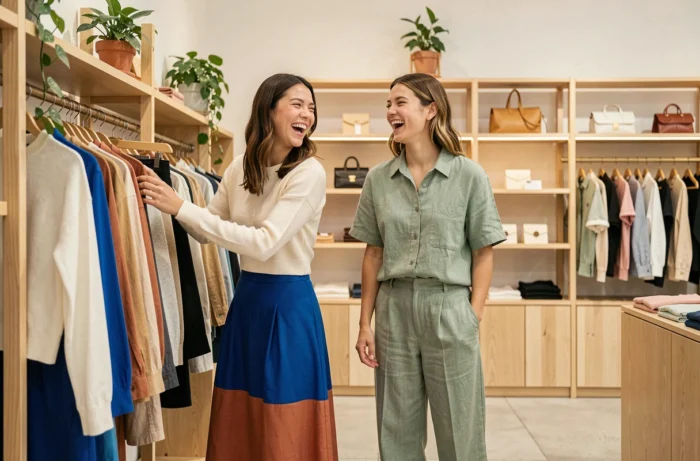
The notion of unique style is based on a technical principle: the coherence of the palette and proportions, regardless of the number of pieces owned. Three to four well-articulated pieces are enough to create a readable autumn-winter look.
- A structuring bottom (barrel jeans, wide wool trousers) that defines the base of the silhouette.
- A top with visible texture (twisted knit, flannel shirt, ribbed sweater) that adds relief without pattern.
- A layering piece that sets the tone: short trench for mid-seasons, long coat for winter, cropped blazer for milder days.
- A functional accessory (belt, structured bag, chunky-soled ankle boots) that anchors the look in a precise intention rather than in decorative accumulation.
Fashion trends serve as guidelines, not prescriptions. Fashion shows propose directions, while wearers decide on the dosage. The autumn-winter season favors dense materials and layering, allowing for a wide margin of interpretation to adapt each proposal to one’s morphology and daily life.
The European regulatory framework pushes brands towards more streamlined and better-constructed collections. For consumers, this translates into more thoughtfully designed entry-level pieces and easier access to repair. Ultimately, modern style relies less on novelty and more on the accuracy of each textile choice.