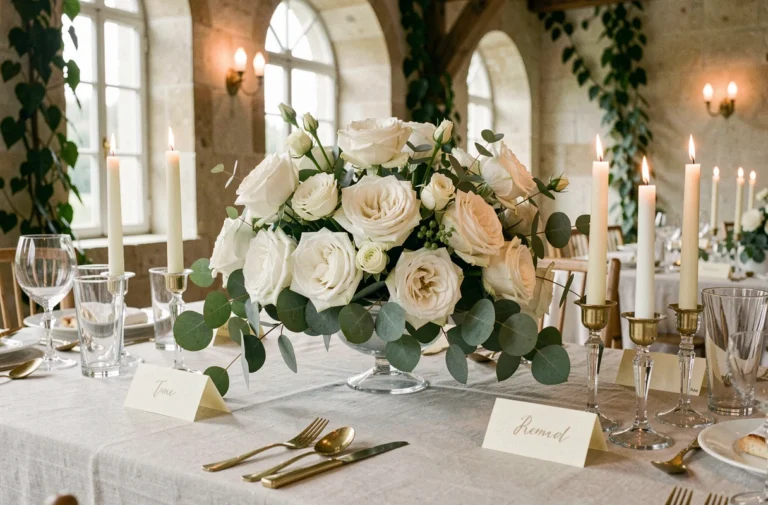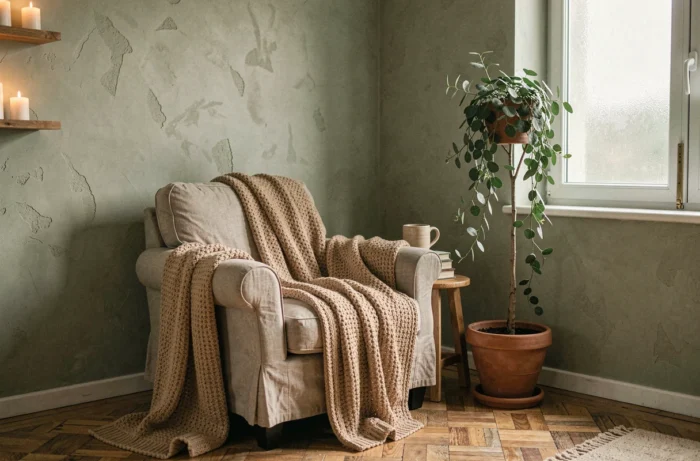
Transforming an interior into a cocoon is not just about piling up throws and candles. Behind the word cocooning lies a tension between perceived comfort and the actual performance of the home.
Recent thermal regulations have reshuffled the cards: since an order dated August 26, 2025, the conversion coefficient of electricity in the DPE has changed from 2.3 to 1.9 as of January 1, 2026, removing properties from the status of thermal sieve without any insulation work being done. The gap between the administrative label and daily experience raises a direct question: is a cocoon an atmosphere or a high-performance thermal envelope?
Real thermal comfort and cocooning decor: two logics to align
A living room dressed in warm materials, raw wood, and thick textiles gives an impression of softness. This impression collapses if the walls are poorly insulated or if the ventilation is inadequate. The cocooning atmosphere works as a visual filter that sometimes masks structural flaws.
Since September 1, 2026, MaPrimeRénov’ hardly finances single-action work (spot insulation, window replacement, ventilation alone). The aids focus on large-scale renovations with reinforced access conditions. For households wanting a more comfortable interior, this means that a simple window change no longer receives the same financial support as before.
Before choosing a color palette or a new piece of furniture, checking the state of the thermal envelope of the home remains the first step. As detailed in the advice from simplyhabitat.fr, decoration choices benefit from being based on a sound structural foundation to produce a lasting effect.
Materials and textures: what truly changes the atmosphere of a room
Competitors all talk about warm colors and soft lighting. These elements matter, but the most underestimated lever remains the choice of surface materials, those you touch and walk on.
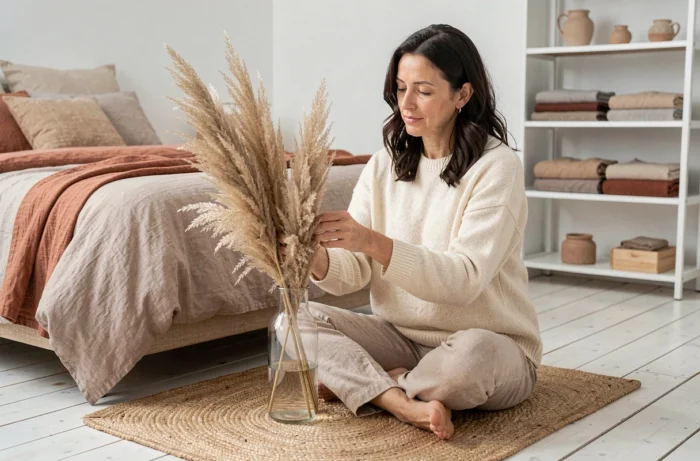
Solid wood (oak, beech, walnut) absorbs sound and naturally regulates ambient humidity. A raw wood floor in a living room does not provide the same acoustic comfort as laminate, even if visually they look similar. The difference is felt barefoot and in the overall noise level of the room.
Linen, boucle wool, and brushed cotton create a tactile comfort that polyester poorly imitates. A sofa covered in washed linen ages better than a synthetic fabric and retains a pleasant texture after several years. The initial cost is higher, but the lifespan compensates.
For walls, lime plaster or mineral paints offer a depth of shade that standard acrylic paints do not reproduce. Their slightly matte and irregular appearance captures light differently depending on the time of day, enhancing the feeling of a living space.
Lighting and color temperature: common mistakes in cocooning decor
Most guides recommend warm light without specifying what that means in practice. The color temperature of a bulb, expressed in kelvins, determines the ambiance more surely than the design of the fixture.
- Below 2,700 K, the light leans towards orange and creates a restful atmosphere, suitable for bedrooms and relaxation areas.
- Between 2,700 and 3,000 K, you get a versatile warm white, comfortable for a living room or dining room.
- Above 4,000 K, the light becomes cold and stimulating, useful in an office or working kitchen, but incompatible with a cocooning ambiance.
Multiplying low light sources is better than a single ceiling light. Three table lamps spread throughout a living room produce enveloping light. A single central ceiling light, even at 2,700 K, flattens the volumes and eliminates the shadow areas that give relief to a room.
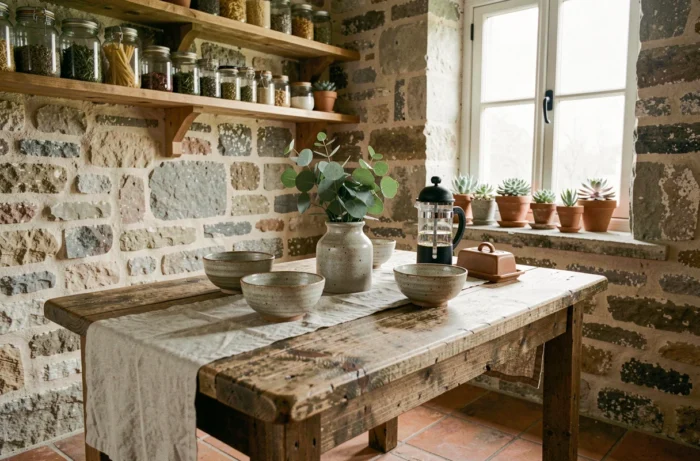
Dimmers remain the most cost-effective investment for modulating the ambiance of a room without changing bulbs. Their installation usually does not require major electrical work.
Layout and circulation: rethink the space before buying furniture
Buying a piece of furniture without measuring the circulation in the room is a classic mistake. A cluttered living room, even carefully decorated, does not produce any cocoon sensation. Free floor space conditions the perception of comfort as much as the choice of colors or textiles.
Some concrete principles to apply before any purchase:
- Leave at least 80 cm of passage between two pieces of furniture to move without contortion.
- Position the sofa facing a focal point (fireplace, window, textured wall) rather than a blank wall.
- Favor closed storage to reduce visual noise: overloaded open shelves and a cocooning atmosphere do not coexist.
- Use a rug to define a relaxation area in a large room, without resorting to a partition.
Multifunctional furniture (bench with storage, extendable table) frees up floor space. In small spaces, every square meter cleared increases the feeling of serenity.
Field feedback varies on the usefulness of removable partitions or separation curtains. Some find them a valuable flexibility, while others note that these elements visually weigh down the room. The result largely depends on the ceiling height and the natural light available.
Transforming a house into a cocoon relies on a logical sequence: checking the thermal envelope, choosing surface materials consistent with the actual use of each room, calibrating the lighting precisely, and then arranging the furniture according to circulation. Skipping the first step amounts to placing a decor on a fragile foundation, which current regulations make all the more visible.